

November Birthstones: Topaz and Citrine, Stones of Warmth and Light

November 10, 2026

Share this article

A connection to Brazilian gemstone heritage

November has two birthstones with a shared affinity for golden light: topaz and citrine. Both can glow in shades of yellow and amber, yet each has its own mineral identity, character, and story.


At Collet’s Jewelry, topaz holds a special place. Brazilian Imperial Topaz is admired for its warm golden, honey, and amber tones, with a history closely associated with the Ouro Preto region of Minas Gerais. Blue and yellow topaz offer different expressions, from cool and luminous to vivid and sunlit. Citrine brings another kind of warmth, with shades that range from pale yellow to rich orange.


Together, these November birthstones offer more than a seasonal palette. Their natural variations in colour, clarity, and character make each gem distinctive, and give carefully chosen jewelry a personal presence.

Two gemstones, two identities

Topaz and citrine are often grouped together because their golden shades can look similar. They are, however, different minerals. Topaz is a distinct gemstone species, while citrine is the yellow-to-orange variety of quartz. Their colour, brilliance, and durability each have their own qualities.


Topaz has a Mohs hardness of 8, while citrine measures 7. Hardness describes resistance to scratching; it does not mean a gemstone cannot be damaged. Topaz has a perfect cleavage direction, which means a sharp impact can cause it to chip or split. Citrine is also best protected from knocks and sudden temperature changes.


The Gemological Institute of America’s November birthstone guide offers a useful overview of both gems, including their colour range, history, and care. The distinction matters when choosing a piece: a similar shade does not make two gemstones interchangeable.

Imperial Topaz and the story of Ouro Preto

Imperial Topaz is closely associated with Brazil’s historic Ouro Preto region. In Minas Gerais, a concentrated topaz district has produced richly coloured stones for more than two centuries. The region’s long connection to gemstone mining and craftsmanship gives Brazilian topaz a sense of place as well as colour.


The name “Imperial Topaz” has more than one historical explanation. One account links it to Russian imperial interest in fine topaz; another, especially popular in Brazil, connects it to Emperor Dom Pedro II’s 1881 visit to Ouro Preto. The GIA records both traditions, reflecting the gem’s layered cultural history.


Colour is central to Imperial Topaz’s appeal. Its hues may suggest golden light, warm honey, peach, or amber, with a lively brilliance that shifts as the stone moves. The name is a trade term, and individual stones vary; that natural variation is part of what makes each one distinctive.

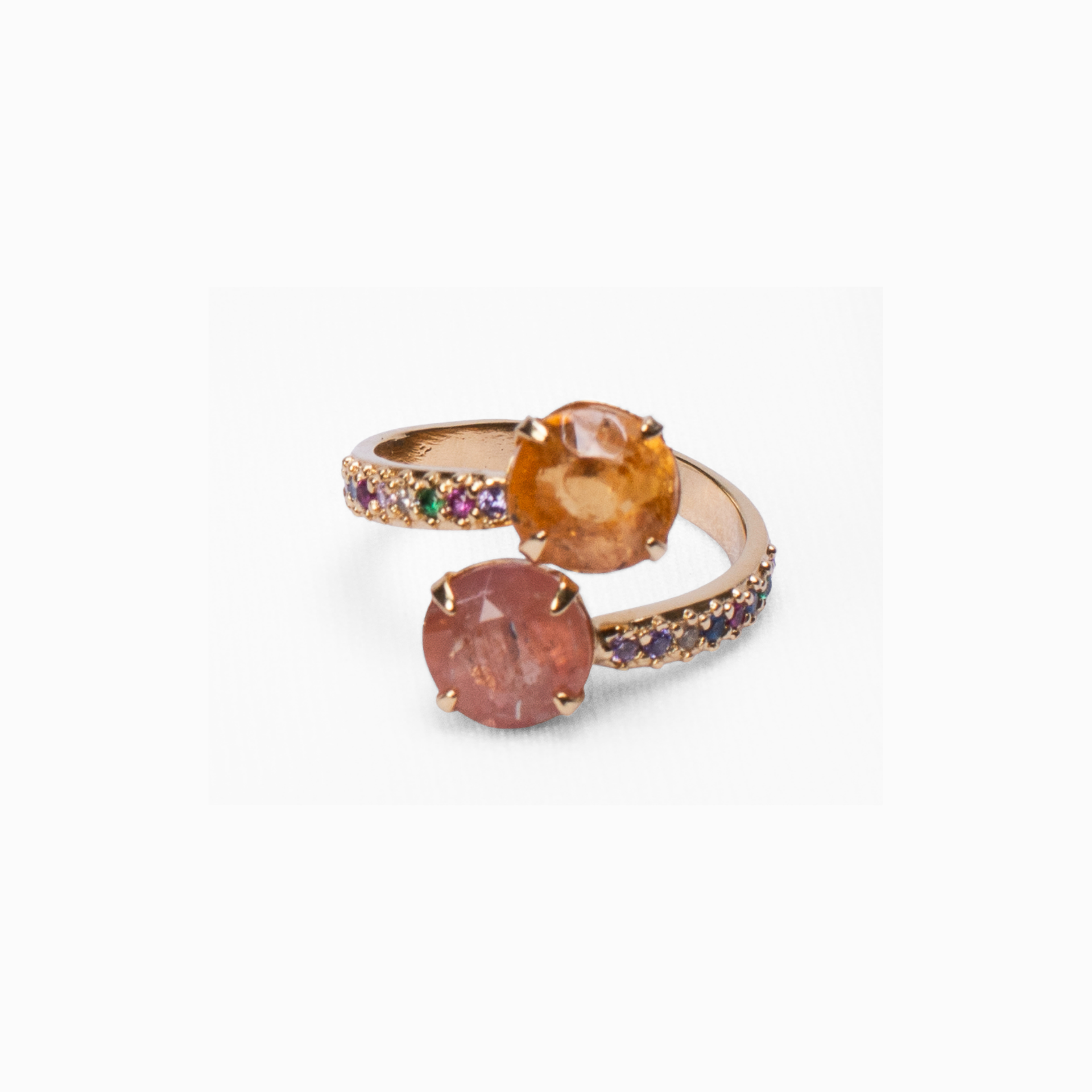
Collet’s Imperial Topaz collection brings this Brazilian gemstone into refined designs. The Double Imperial Topaz Gold Ring with Accent Stones, for example, pairs two round golden-pink stones with delicate accents in a gold-plated design. Its composition gives the gems presence while keeping their colour at the centre.

Topaz in shades beyond gold

Topaz is known for a remarkable range of colours. Brazilian material is especially associated with yellow, orange, pink, and related warm hues, while blue topaz offers a cooler, more crystalline expression. Yellow topaz, meanwhile, carries the vivid clarity of a sunlit stone.


Colour treatments are an important part of topaz’s story. According to GIA, most blue topaz available today begins as colourless topaz that is treated to create its blue colour. Treatment is common in the gem trade, and clear disclosure helps buyers understand what they are choosing. When selecting any coloured gemstone, it is reasonable to ask whether its colour is natural or treated.


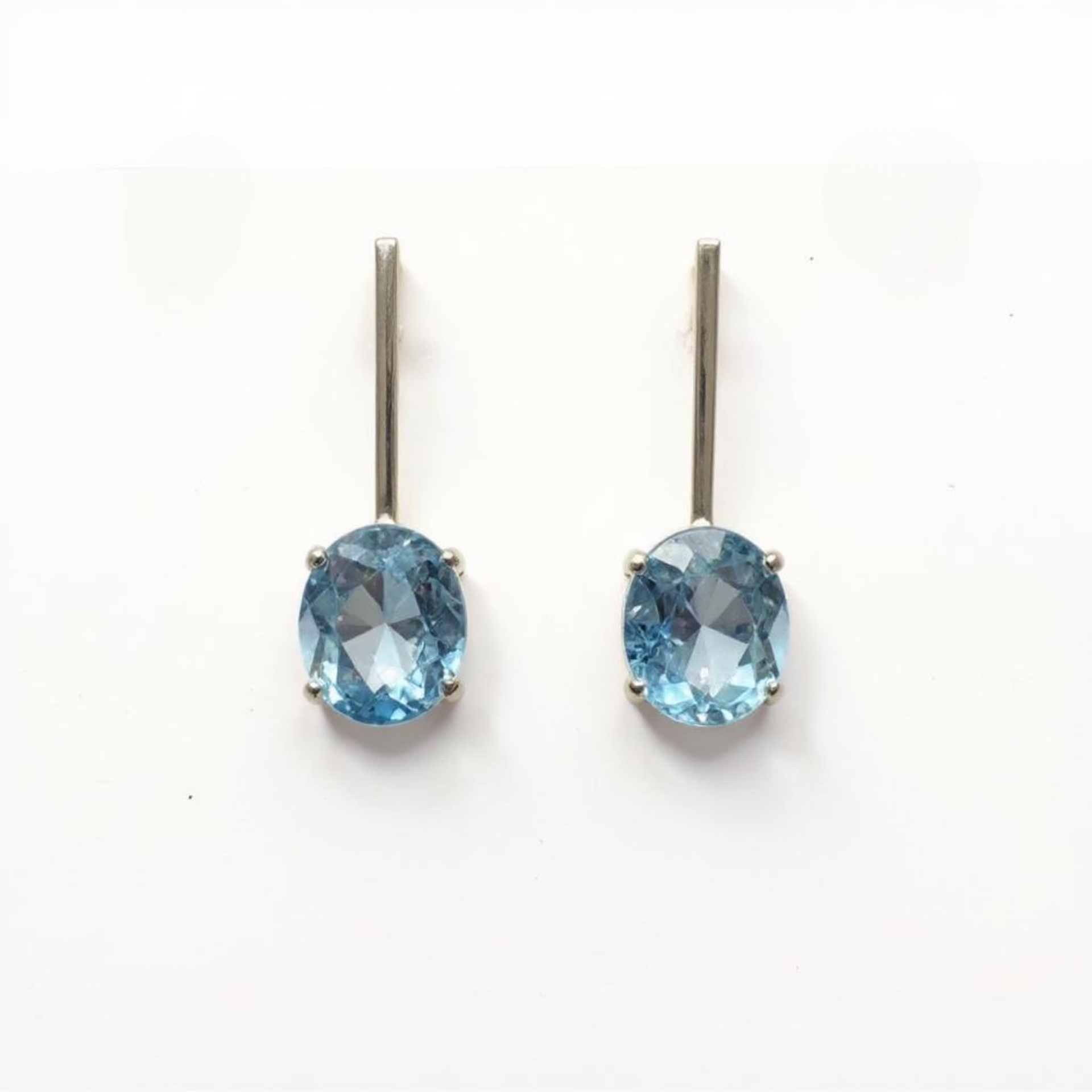
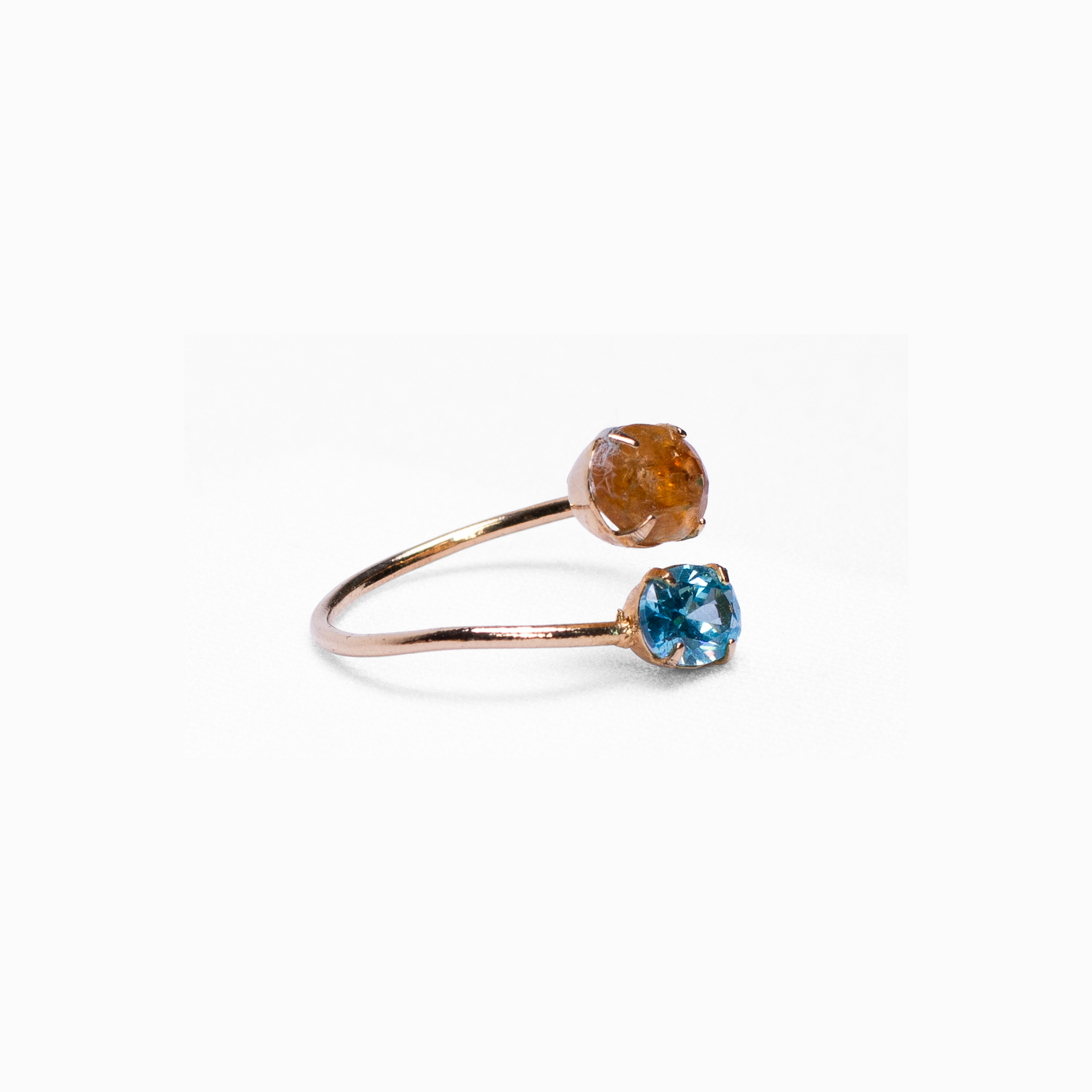
Topaz also pairs beautifully with other shades. In Collet’s Blue Topaz and Imperial Topaz Gold Ring, cool blue and warm golden-pink stones meet in one design. The contrast makes each colour more distinct, creating a piece with a lively, individual character.

This interplay of colour reflects a wider Brazilian gemstone tradition, where expressive natural stones are shaped into jewelry with a strong sense of individuality. It is a considered alternative to designs that rely on uniformity or passing trends.

Citrine’s luminous golden glow

Citrine has a warmth of its own. As a variety of quartz, it can range from soft yellow to deeper golden-orange, with a clear, inviting glow. Its name is thought to come from the French citron, meaning lemon, a reference to its bright yellow tones.


There is an important detail for anyone exploring citrine: much of the citrine on the market is amethyst that has been heat-treated to produce a yellow or orange colour. Natural citrine also exists, but colour alone does not identify how a stone achieved its appearance. If origin or treatment is important to you, ask the seller for clear information.


Citrine’s bright palette works well in a range of settings. Yellow gold can amplify its warmth, while sterling silver offers a cooler contrast. The right design lets the gem’s own colour and clarity take the lead, whether worn as a subtle accent or a more expressive focal point.

How to choose a November birthstone

Begin with the colour you are naturally drawn to. Imperial Topaz suits those who favour warm, nuanced tones with a connection to Brazilian heritage. Yellow topaz offers a clearer golden note; blue topaz is a refreshing choice for anyone who prefers cooler colour. Citrine brings a soft-to-saturated golden glow in its own quartz character.


Then consider the setting and how you plan to wear the piece. Rings are exposed to more everyday knocks than pendants or earrings. Because topaz has a cleavage direction, protective settings and thoughtful wear are especially helpful for rings. For either gemstone, remove jewelry before strenuous activity and store it separately to help prevent scratches and impacts.


The metal can shape the mood of a design. Gold creates a harmonious frame for honey, amber, and peach tones. Sterling silver lends a crisp, contemporary contrast to golden topaz. Mixed colours, such as blue and Imperial Topaz together, create a more distinctive look without losing refinemen

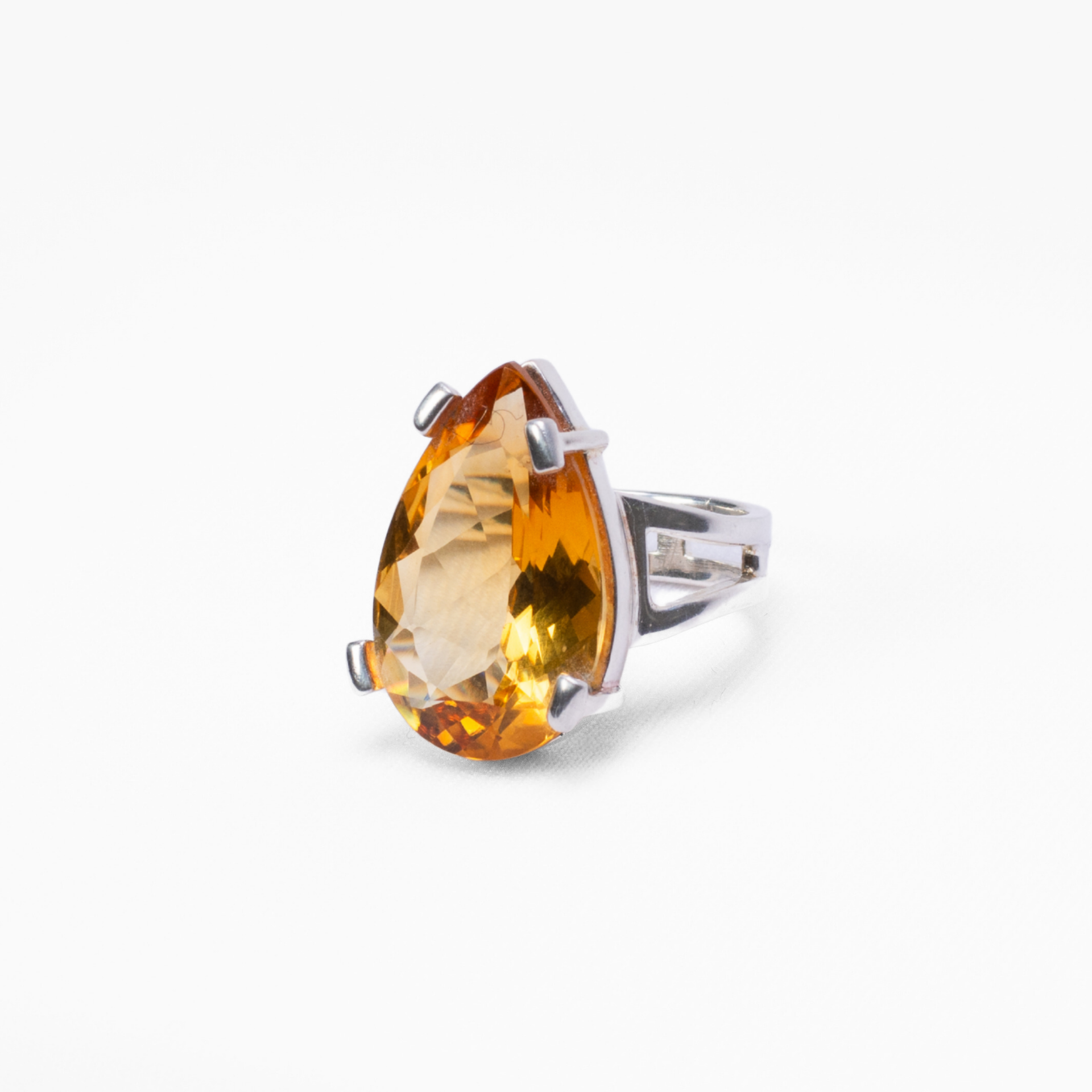
Collet’s Large Yellow Topaz Teardrop Sterling Silver Ring shows how a warm gemstone can feel fresh against cool silver. Its teardrop silhouette draws the eye along the stone’s golden colour, giving the ring an elegant, composed presence.

Caring for topaz and citrine

Both stones benefit from gentle care. Clean them with lukewarm water, mild soap, and a soft brush or cloth, then dry carefully. Avoid steam cleaning. For topaz, GIA also recommends avoiding ultrasonic cleaning and taking care to protect the gem from sharp impacts and sudden temperature changes.


Store each piece separately from harder jewelry. A soft pouch or lined compartment can help reduce contact with other gemstones and metal edges. If a setting needs attention, ask a jeweler to inspect it rather than attempting adjustments at home.

A November stone with a story of its own

Topaz and citrine share the warmth of November, but their differences are what make the choice meaningful. One may draw you to Brazilian Imperial Topaz and the mineral heritage of Ouro Preto. Another may appeal for topaz’s cool blue brilliance, its vivid yellow tones, or citrine’s luminous quartz glow.


At Collet’s, jewelry is valued for its connection to place, natural gemstone character, and thoughtful design. The Gemstone Book extends that appreciation, sharing the origins, legends, and qualities behind the stones. Explore the book and gemstone stories on our gemstone page, or discover the Imperial Topaz collection to find a piece that speaks to your own sense of colour and style.

Recent Posts

November 11, 2026
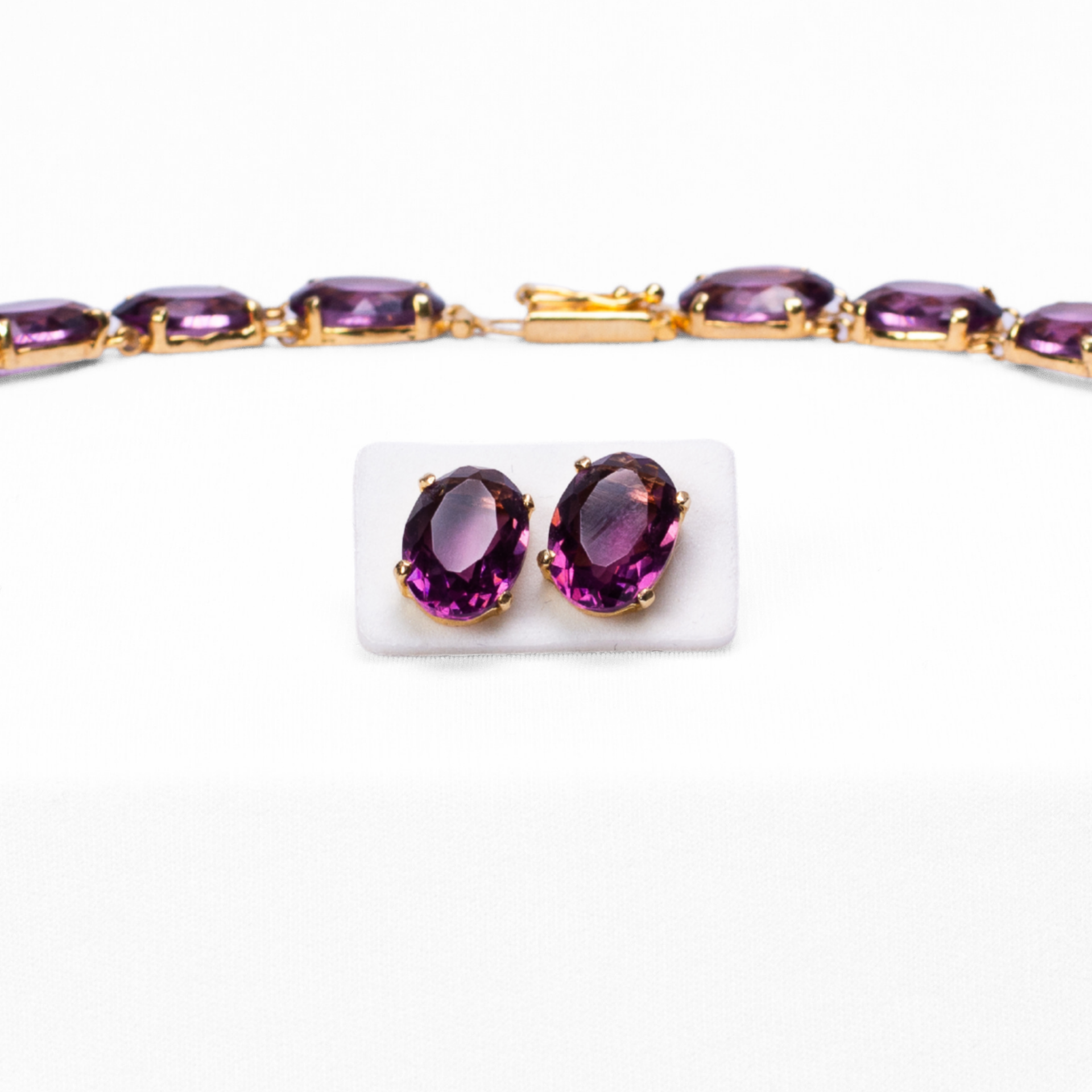
February’s birthstone is amethyst, a gemstone admired for its luminous colour and remarkable range. Its tones move from the palest lavender to saturated violet, sometimes with flashes of red or blue as the light shifts. No two natural stones are exactly alike. Each carries its own depth, clarity, and character.  At Collet’s Jewelry, amethyst brings colour and Brazilian gemstone heritage into a collection of thoughtfully designed pieces. A personal birthstone or a considered gift, it offers a distinctive way to wear colour with quiet confidence.
October 23, 2026
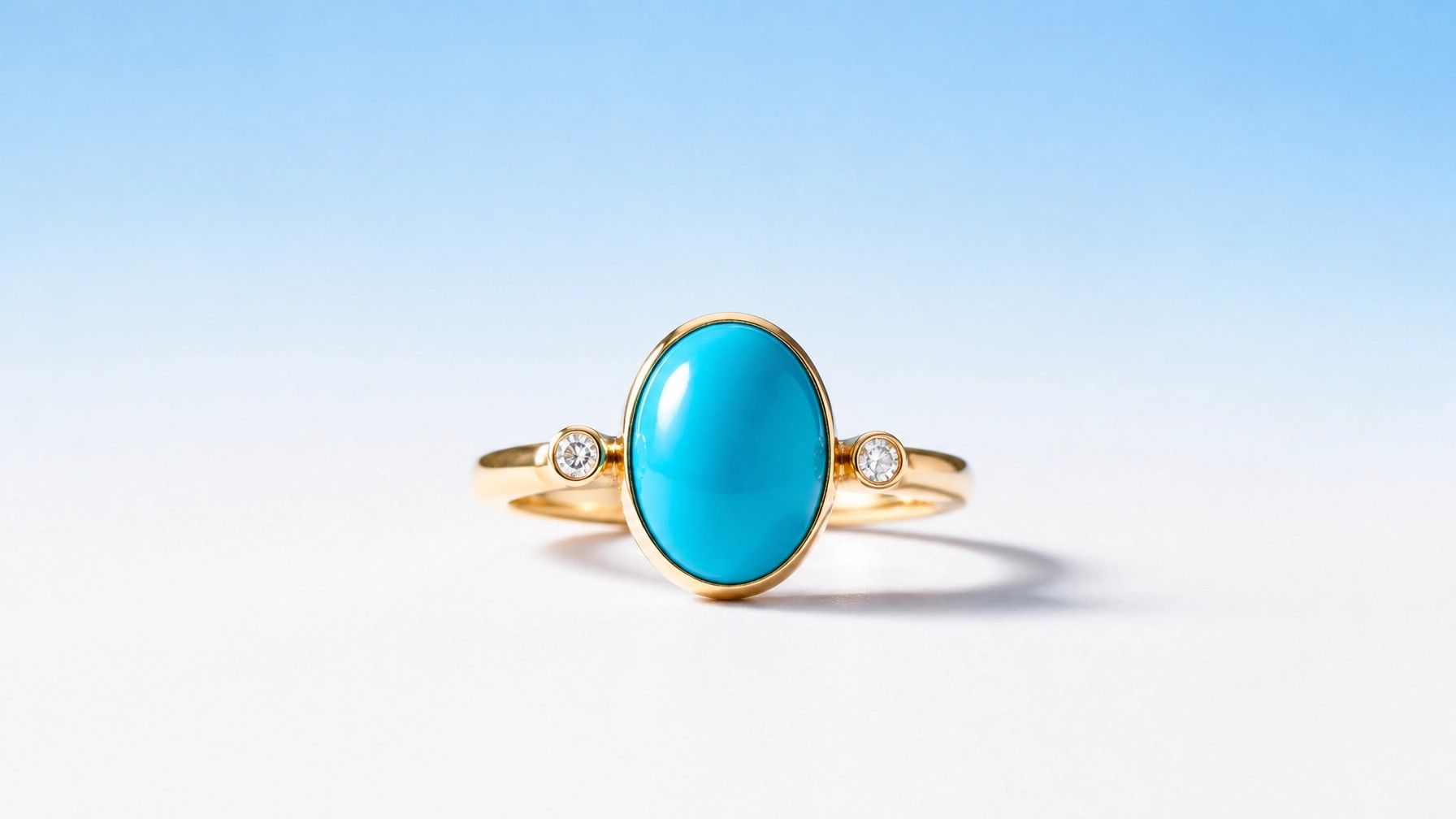
Turquoise is one of the world’s most recognisable gemstones. Its colour ranges from pale robin’s-egg blue to vivid azure and blue-green. The finest examples possess a calm, even tone that seems to hold its own light. Usually cut as a smooth cabochon, turquoise reflects light softly rather than through facets. The effect is serene, distinctive, and quietly striking.  For thousands of years, it has been associated with the sky, protection, joy, and the infinite space above the earth. Its appeal is both visual and cultural, connecting adornment with history.
October 16, 2026
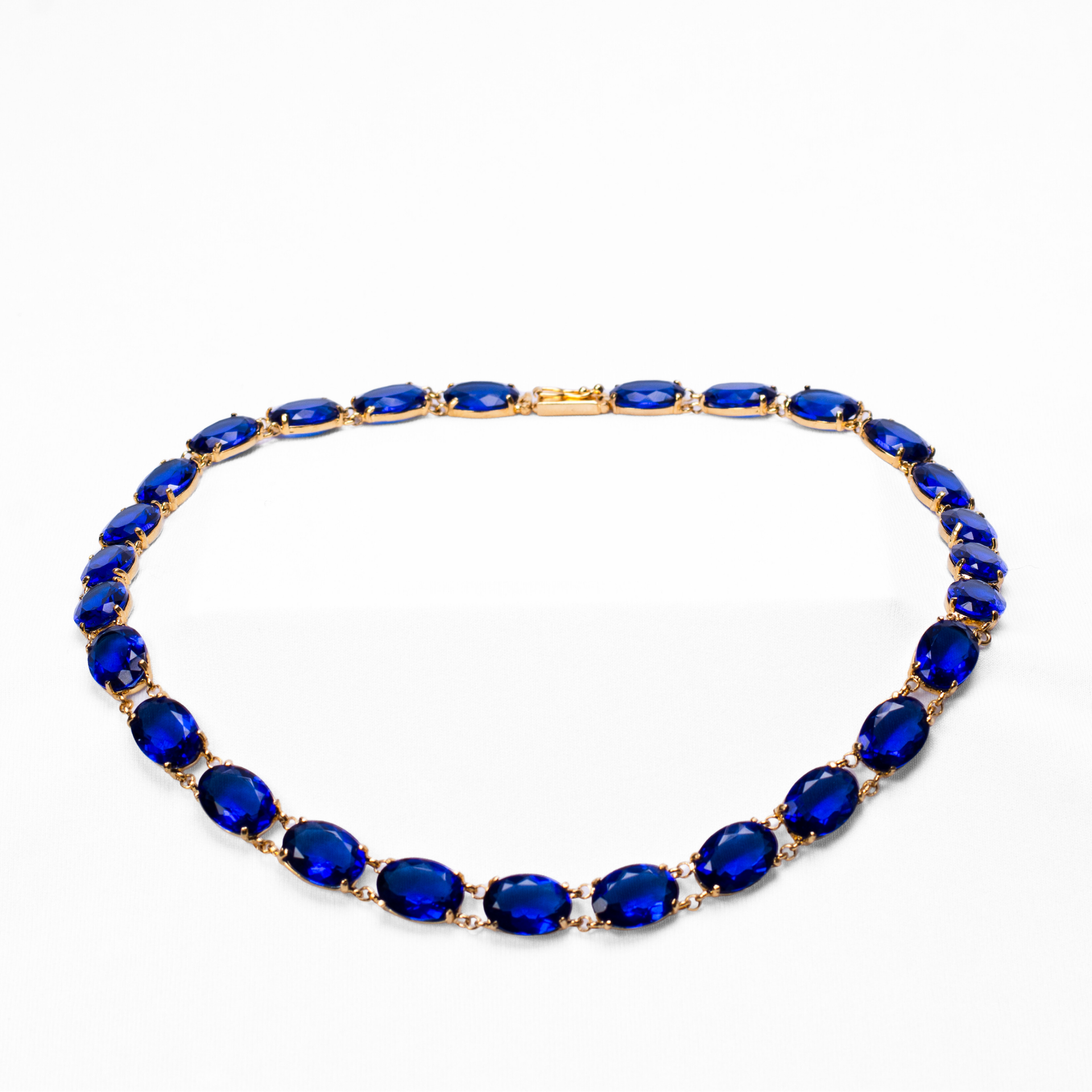
Iolite is a gemstone with an unusual relationship to light. Its violet-blue colour can deepen, soften, or nearly disappear as the stone turns, shifting from rich blue to pale blue, yellow, or near-colourless tones. This remarkable optical quality is known as pleochroism . It gives iolite a distinctive place in gemology, jewellery design, and maritime legend. According to a long-standing story, Viking navigators used thin pieces of iolite to help locate the sun through cloud and mist while crossing open water. The story remains unproven. The science behind it, however, is compelling.
September 15, 2026
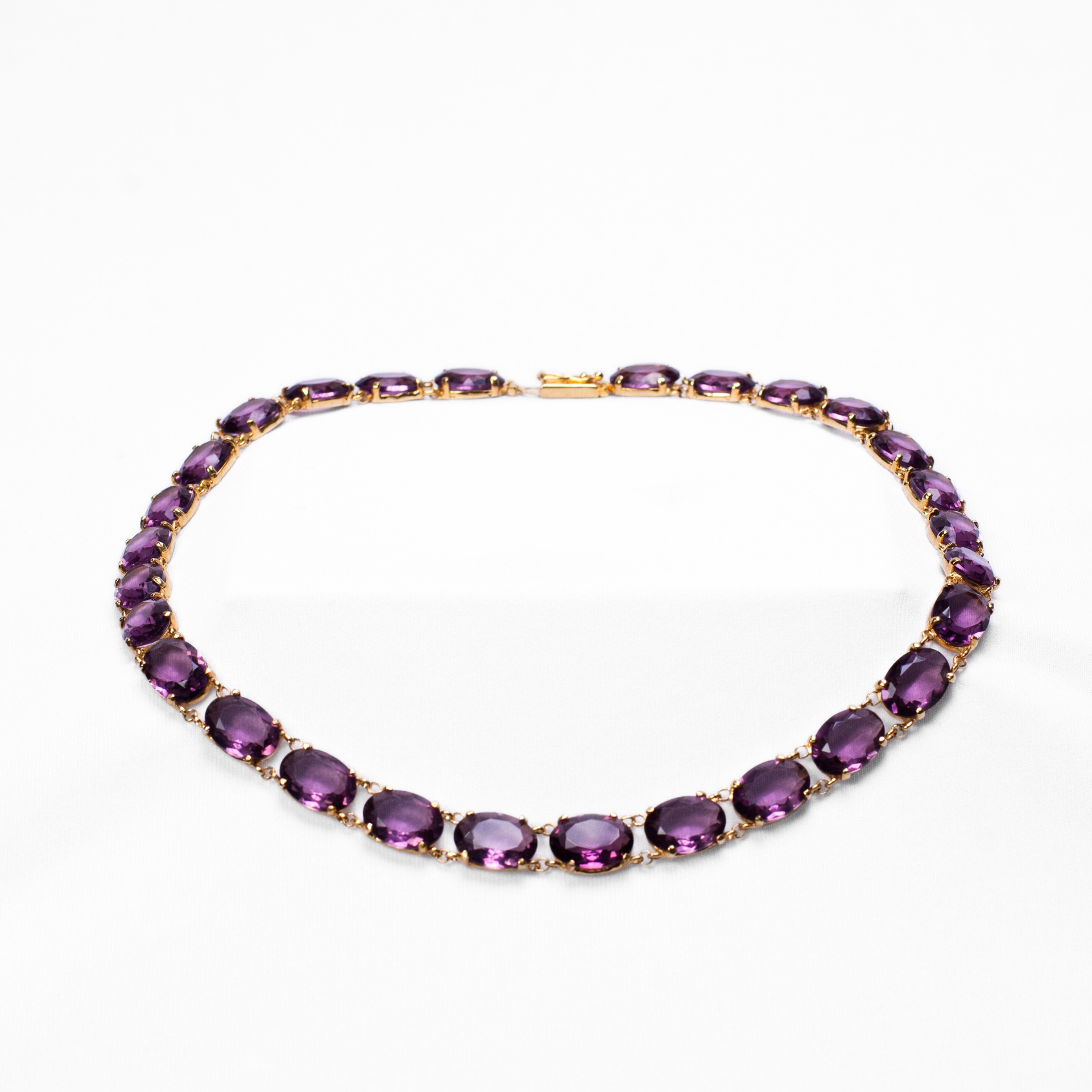
Amethyst has a presence that is both vivid and serene. Its colour ranges from pale lavender to deep violet, each shade revealing a different play of light. For centuries, it has been associated with protection, clear thought, and spiritual awareness. The stone suggests stillness without passivity, strength without display, and a quiet connection between the earthly and the divine. At Collet’s Jewelry, amethyst is chosen for its distinctive colour and expressive character. Each piece reflects the belief that jewelry should hold meaning, memory, and a story.
September 8, 2026
A golden gemstone from Brazil
August 28, 2026
A Gemstone of Clarity
August 21, 2026
A Gemstone from Ouro Preto