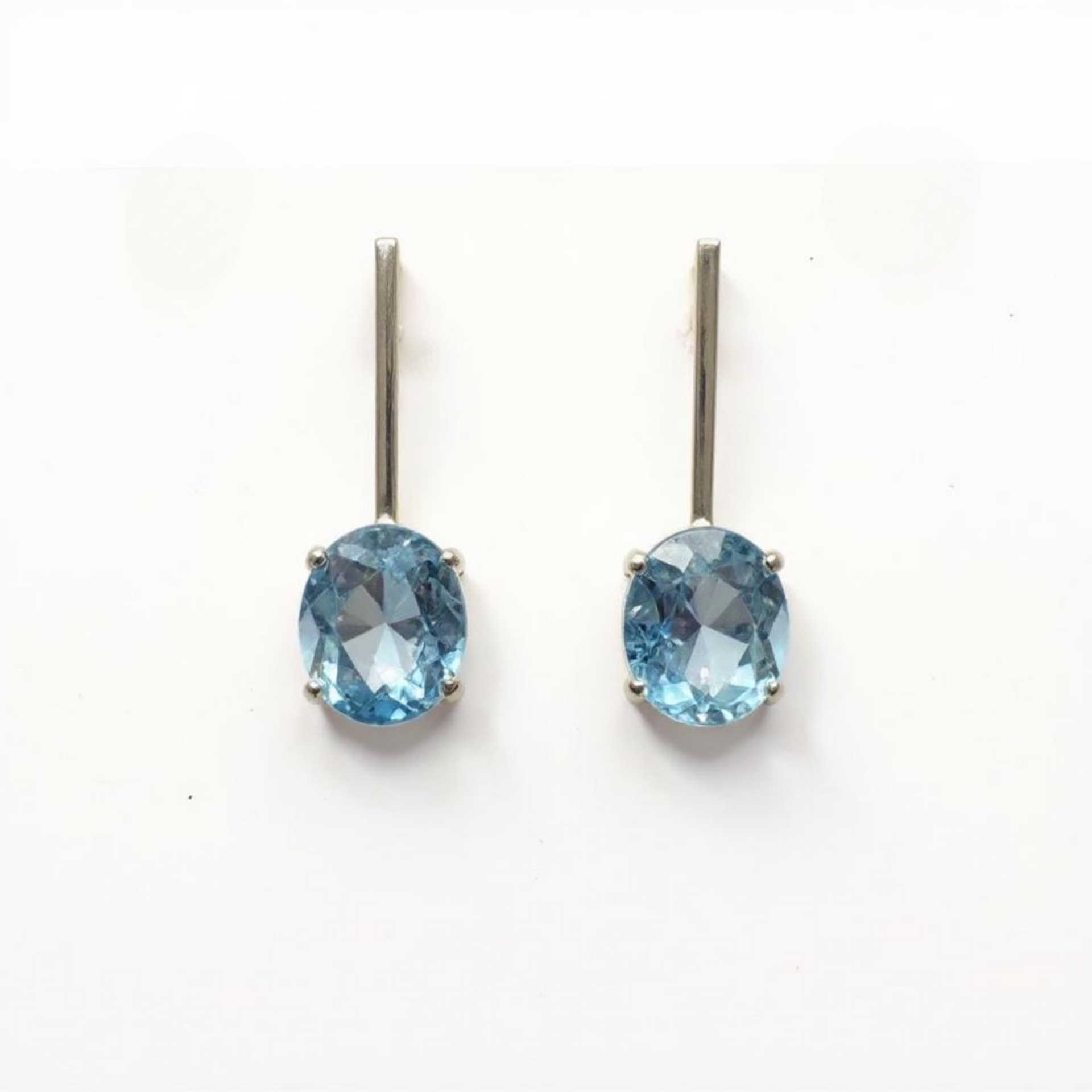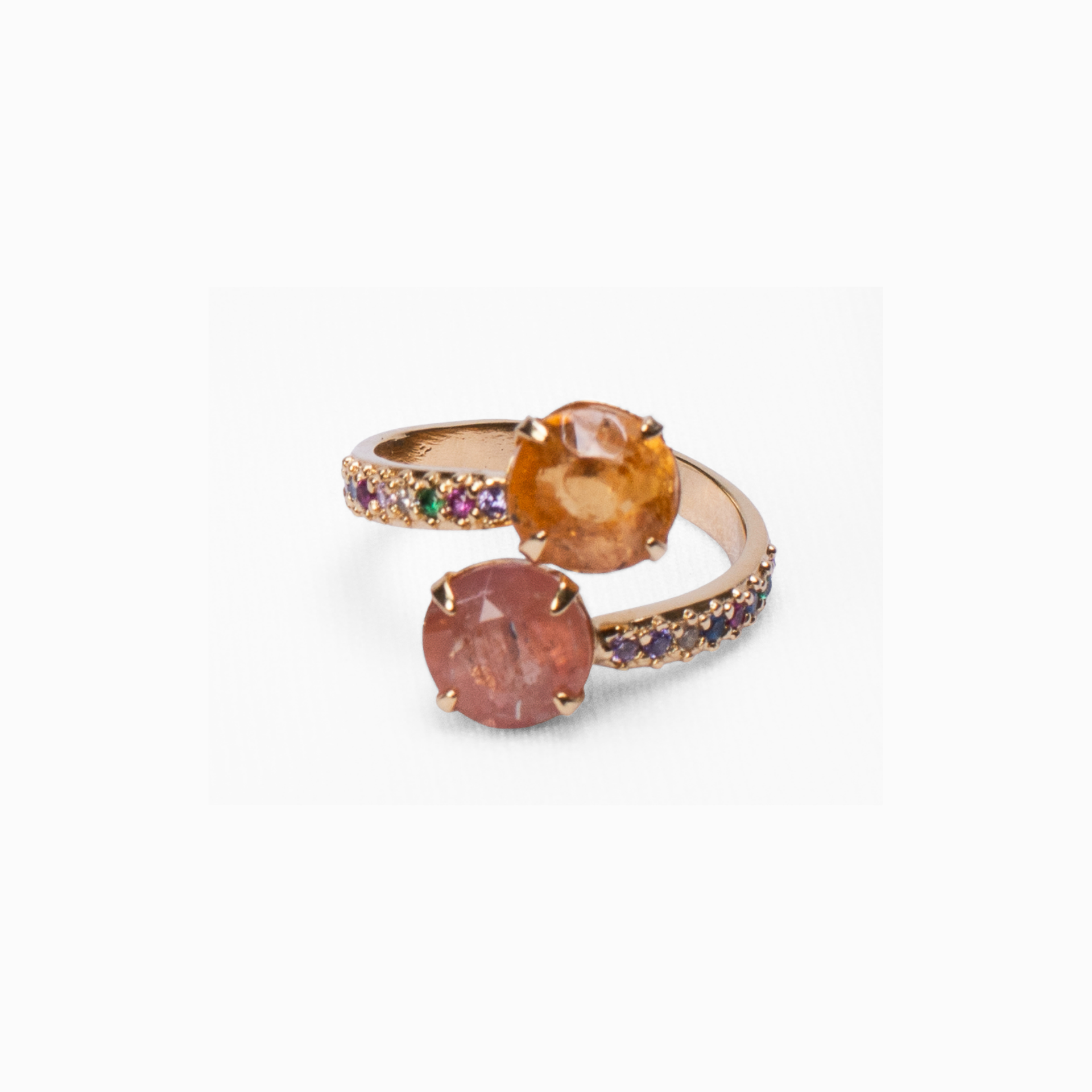


Yellow Topaz: Nature's Golden, Sunlit Treasure
A connection to Brazilian gemstone heritage
Yellow topaz captures the warmth of sunlight in mineral form. Its color ranges from pale champagne to honeyed gold and deep amber, while its clarity gives the stone a luminous, composed brilliance.
Brazil remains one of the world’s most important sources of fine topaz. In Minas Gerais, especially around historic Ouro Preto, yellow topaz is admired for its natural color, transparency, and geological heritage. At Collet’s Jewelry, it reflects a belief that jewelry should feel individual, considered, and connected to place.
A golden gemstone from Brazil
Yellow topaz is found in several regions, yet Brazilian material is especially regarded for its clear crystal structure and expressive golden hues. The most celebrated deposits lie in Minas Gerais, a region long associated with gemstone production and lapidary craftsmanship.
Ouro Preto, set within the mineral-rich Iron Quadrangle, has shaped Brazil’s enduring gemstone tradition for centuries. The area is also closely associated with Imperial Topaz, the rare variety known for tones from golden yellow to peach and amber. Yellow topaz holds its own place within this family, offering a pure and focused expression of gold.
Collet’s Origins page explores the history of Ouro Preto and the mineral wealth of Minas Gerais.
The color of sunlight
The defining quality of yellow topaz is its color. The finest stones appear luminous rather than heavy, shifting from pale champagne to honey, amber, and late-afternoon gold depending on the light.
This warmth is linked to trace iron and the crystal structure of the stone itself. Fine yellow topaz is typically highly transparent, and when well cut, it returns light in bright, controlled flashes. Its beauty lies in the balance of clarity, cut, and natural tone.
Yellow topaz and citrine
Yellow topaz is often confused with citrine, yet they are different minerals. Topaz is harder, heavier, and generally more brilliant when well cut, while citrine is a yellow variety of quartz.
That distinction matters in jewelry. Yellow topaz offers natural golden color, strong transparency, and a Mohs hardness of 8, though its perfect cleavage means it should still be worn with care.
For broader gemological context, Encyclopaedia Britannica’s overview of topaz explains the mineral’s composition, geological formation, color range, and Brazilian origins. The Gemological Institute of America’s topaz resources offer further information for readers who wish to explore its properties in greater detail.
Clarity, brilliance, and durability
Yellow topaz is valued as much for clarity as for color. Transparent stones allow light to move through the facets in layered flashes of gold and shadow, giving the gem a refined inner radiance.
Its hardness makes it suitable for rings, earrings, and pendants designed for regular wear. Still, careful setting and sensible handling remain important. Protective designs are especially valuable for rings, and gentle cleaning with mild soap, water, and a soft cloth is generally best.
A natural fit for modern design
Yellow topaz has presence, yet it does not require elaborate design. Its color works beautifully with clean lines, open silhouettes, and restrained metalwork.
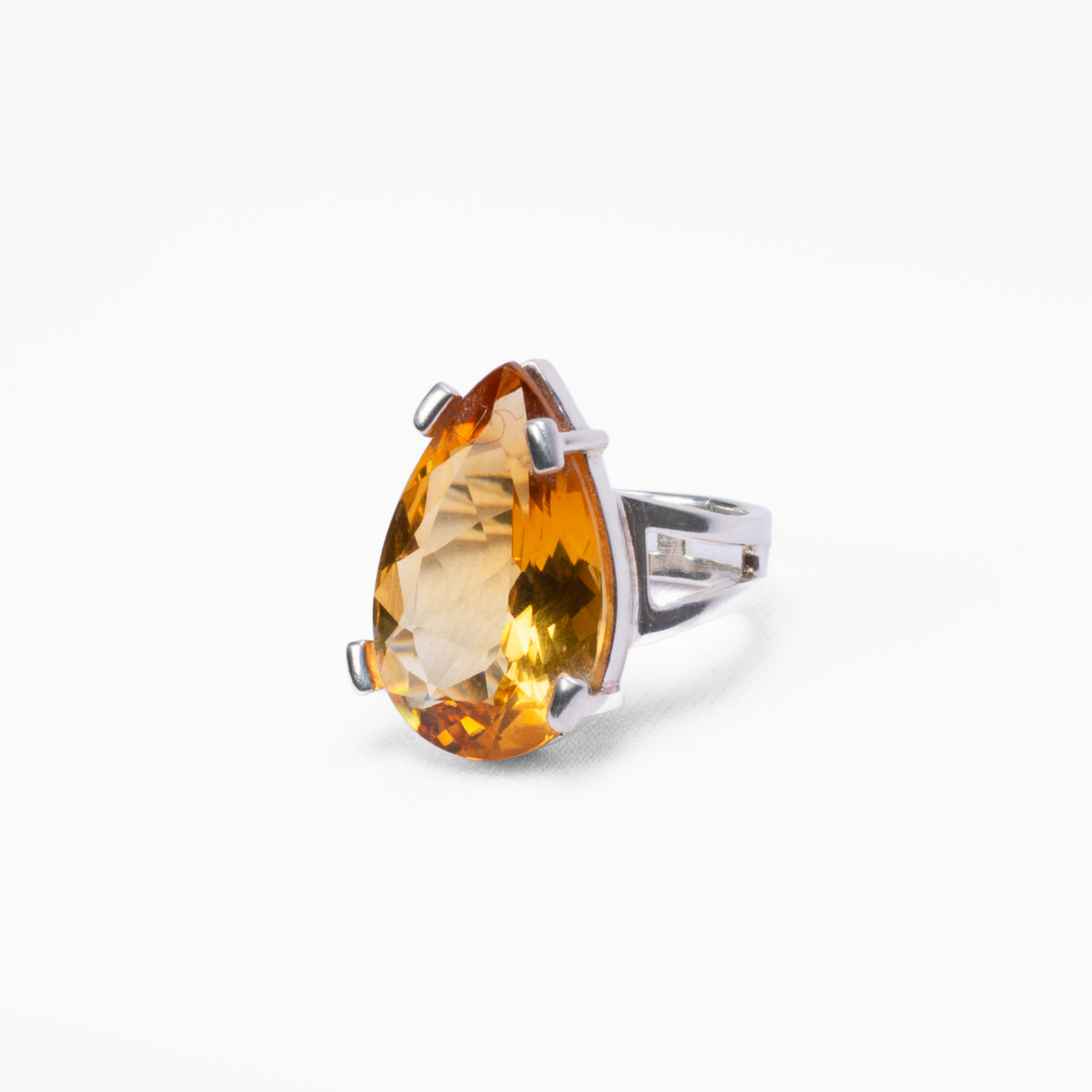
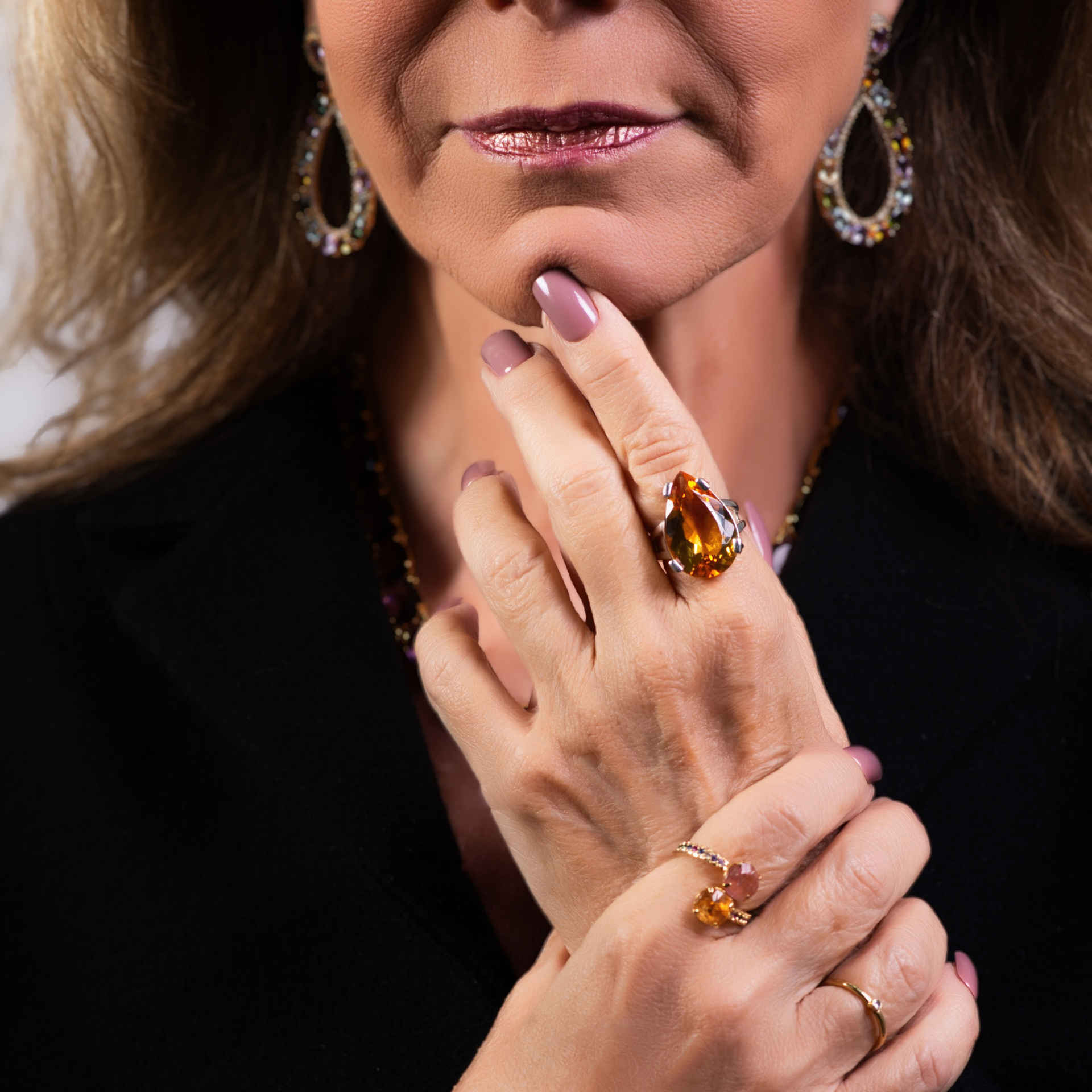
Set in sterling silver, the gemstone takes on a cooler, more architectural character. This balance is visible in Collet’s Large Yellow Topaz Teardrop Sterling Silver Ring, where a sculptural teardrop cut allows the golden stone to remain the focus.

Teardrop cuts are especially effective for yellow topaz. They emphasize depth, create an elegant vertical line, and feel refined without appearing formal. The stone also pairs naturally with gold, silver, and mixed metals, and it complements other Brazilian gemstones such as amethyst, iolite, tourmaline, and blue topaz.
How to wear yellow topaz
Yellow topaz is naturally adaptable. With black, ivory, cream, camel, or charcoal, it stands out with quiet clarity. With tailored silhouettes, it adds color without disturbing a polished wardrobe. Worn alone, a single substantial piece can carry an entire look with restraint and distinction.
A gemstone with a lasting story
Yellow topaz is naturally golden, highly regarded for clarity, and enduringly versatile. Its Brazilian origin links it to the mineral landscape and craftsmanship of Minas Gerais, while its composed brilliance gives it a distinctly modern appeal.
Explore Collet’s Yellow Topaz collection to discover designs shaped around this sunlit Brazilian gemstone. You can also browse the complete gemstone collection or get in touch if you would like guidance on selecting a piece.
Yellow topaz is nature’s golden treasure. In jewelry, it becomes something more personal: a radiant stone with warmth, origin, and a story of its own.
Yellow Topaz: Frequently Asked Questions
Is yellow topaz natural?
Yes. Yellow topaz occurs naturally, including in Brazil. Its warm color is associated with trace iron and the crystal structure of the stone
Is yellow topaz the same as citrine?
No. Yellow topaz and citrine are different minerals. Topaz is generally harder, heavier, and more brilliant when well cut.
Is yellow topaz durable enough for a ring?
Yes, with care. Topaz has a Mohs hardness of 8, but its perfect cleavage means protective settings and thoughtful wear are recommended.
Where does Brazilian yellow topaz come from?
Brazilian yellow topaz is associated with Minas Gerais, including the historic Ouro Preto region, an area known for gemstone deposits and lapidary tradition.
Recent Posts