

Iolite and the Viking Compass: A Stone That Navigated the Seas

October 16, 2026

Share this article

A connection to Brazilian gemstone heritage

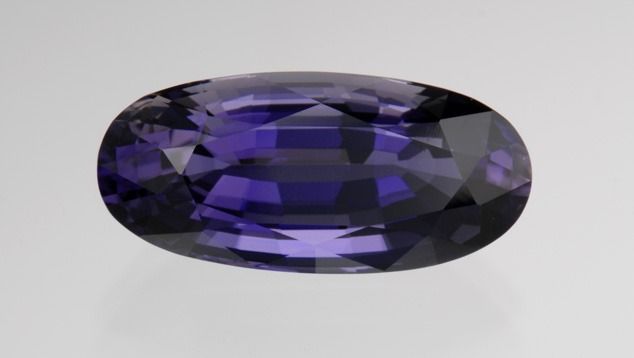
Iolite is a gemstone with an unusual relationship to light. Its violet-blue colour can deepen, soften, or nearly disappear as the stone turns, shifting from rich blue to pale blue, yellow, or near-colourless tones.


This remarkable optical quality is known as pleochroism. It gives iolite a distinctive place in gemology, jewellery design, and maritime legend. According to a long-standing story, Viking navigators used thin pieces of iolite to help locate the sun through cloud and mist while crossing open water.


The story remains unproven. The science behind it, however, is compelling.

The Stone of Changing Colour

Iolite is the gem variety of cordierite, a magnesium-aluminium silicate with a vitreous lustre and a natural blue-to-violet body colour. Its name comes from the Greek word ios, meaning violet.


Fine iolite is admired for its cool, atmospheric hues, often compared to twilight, deep water, or a distant horizon before sunrise. Its defining feature is strong pleochroism. Iolite is trichroic, meaning it can show three colours along three crystal directions, often revealing violet-blue, pale blue, and yellowish or colourless tones as it moves in the light.

This is not a surface effect or a treatment. It is a natural result of the crystal’s internal structure, which absorbs light differently depending on direction. That same property also influences cutting, as the lapidary must position the stone to bring forward its most captivating face.

The Viking Compass Legend

Iolite is often called the Viking Compass or Viking’s Stone because of its association with an old navigation theory.


Medieval Icelandic texts refer to a mysterious “sunstone” that could help sailors find the sun when it was hidden by cloud or fog, though the mineral is not identified. In the modern interpretation, a navigator may have held a thin, clear slice of a strongly pleochroic crystal toward the sky and rotated it to observe shifts in brightness or colour.


The principle relates to the natural polarisation of skylight. As sunlight passes through the atmosphere, it creates a pattern of partially polarised light across the sky. A suitable crystal can respond differently depending on its orientation, potentially helping an experienced navigator estimate the sun’s hidden position.


There is no direct archaeological evidence proving that Vikings used iolite in this way, and the surviving texts do not name cordierite. The most accurate conclusion is measured: the Viking Compass story is a romantic and physically plausible hypothesis, not an established historical fact. It remains enduring because iolite genuinely possesses the optical behaviour that could support the idea.

Navigating Cloudy Seas

For early navigators, clouds, fog, and northern latitudes could obscure the sun for long periods. Under such conditions, even an approximate indication of its position would have been valuable.


A proposed iolite method was simple in principle: the navigator held a thin piece of iolite toward the sky, rotated it, observed the strongest contrast or colour shift, and used that response to estimate the sun’s position and maintain a course.


This would not have functioned like a modern magnetic compass. It would have required practice, favourable conditions, and an understanding of how the stone behaved. Whether or not iolite was used in this exact way, the legend captures the stone’s essential character: it reveals information through change.

Iolite and Tanzanite: Understanding the Difference

Iolite is sometimes mistaken for tanzanite because both can display elegant blue and violet hues, yet they are distinct materials. Iolite is the gem variety of cordierite and is strongly trichroic, often showing violet-blue, pale blue, and yellowish or colourless directions. Tanzanite is a blue-violet variety of zoisite and usually presents a more concentrated blue-violet appearance, most often after heat treatment.


In everyday jewellery, the clearest distinction is iolite’s wider, more dramatic shift in colour as the stone turns. That natural variation forms part of its appeal.

The Iolite Necklace by Collet’s Jewelry

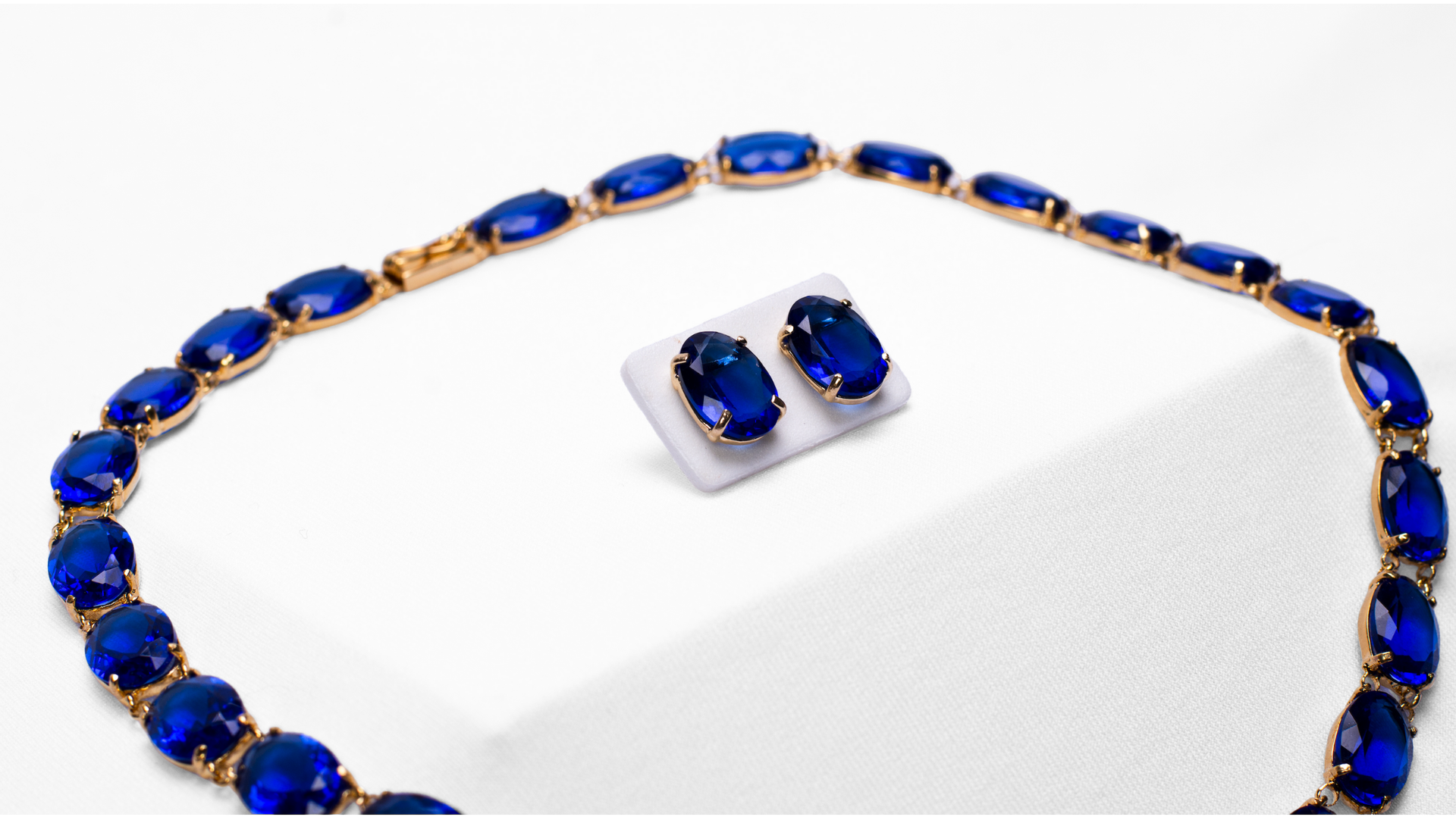
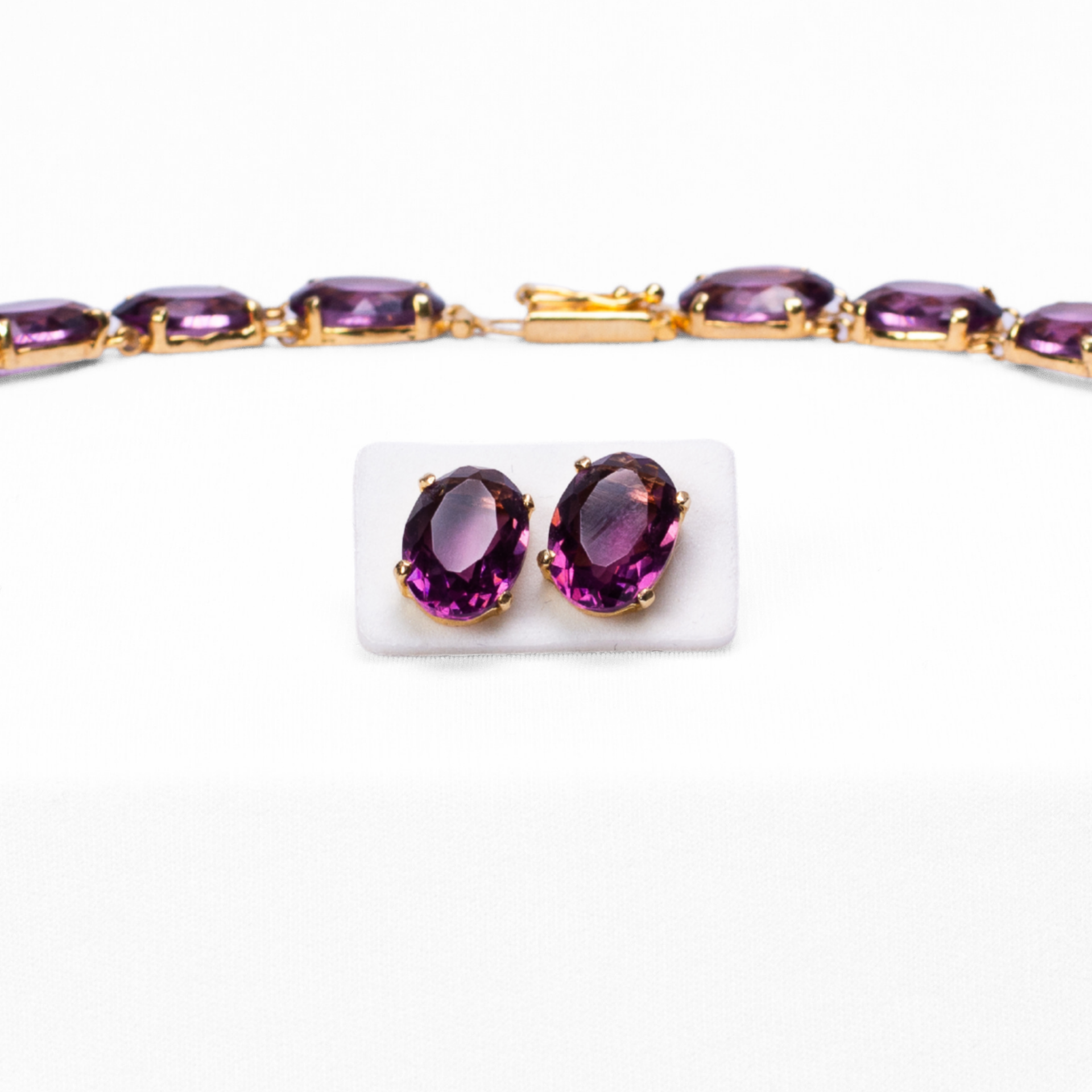
The Iolite Signature Gemstones Gold Necklace presents the stone in a particularly expressive format, featuring 27 violet-blue iolite gemstones in a gold-plated signature design.


Its gold vermeil construction pairs 18k gold over 925 sterling silver, creating a warm contrast to iolite’s cool blue-violet tones. As the necklace moves, the gemstones shift subtly between deeper and lighter expressions, giving the piece a refined sense of movement.

For a more understated interpretation, Collet’s
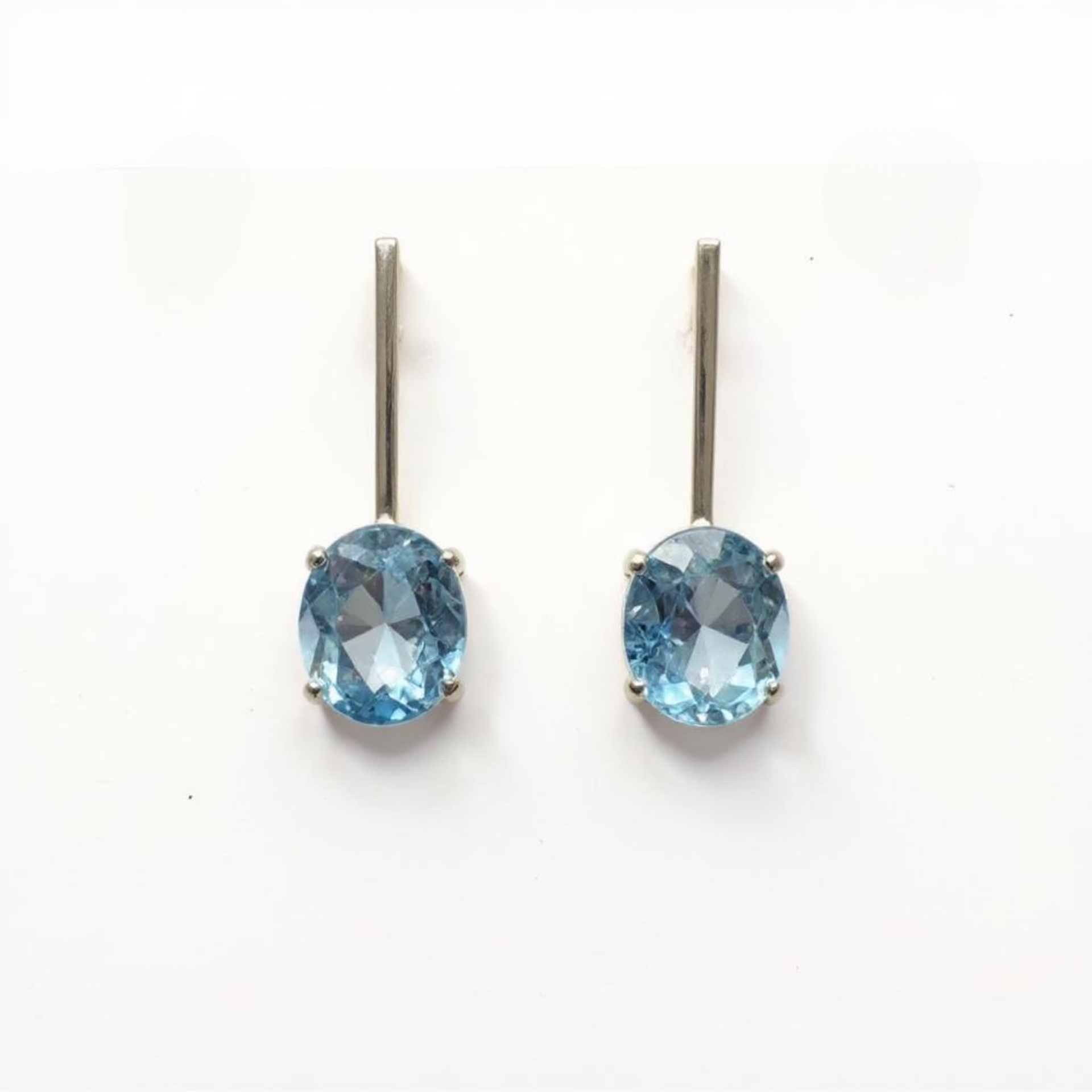
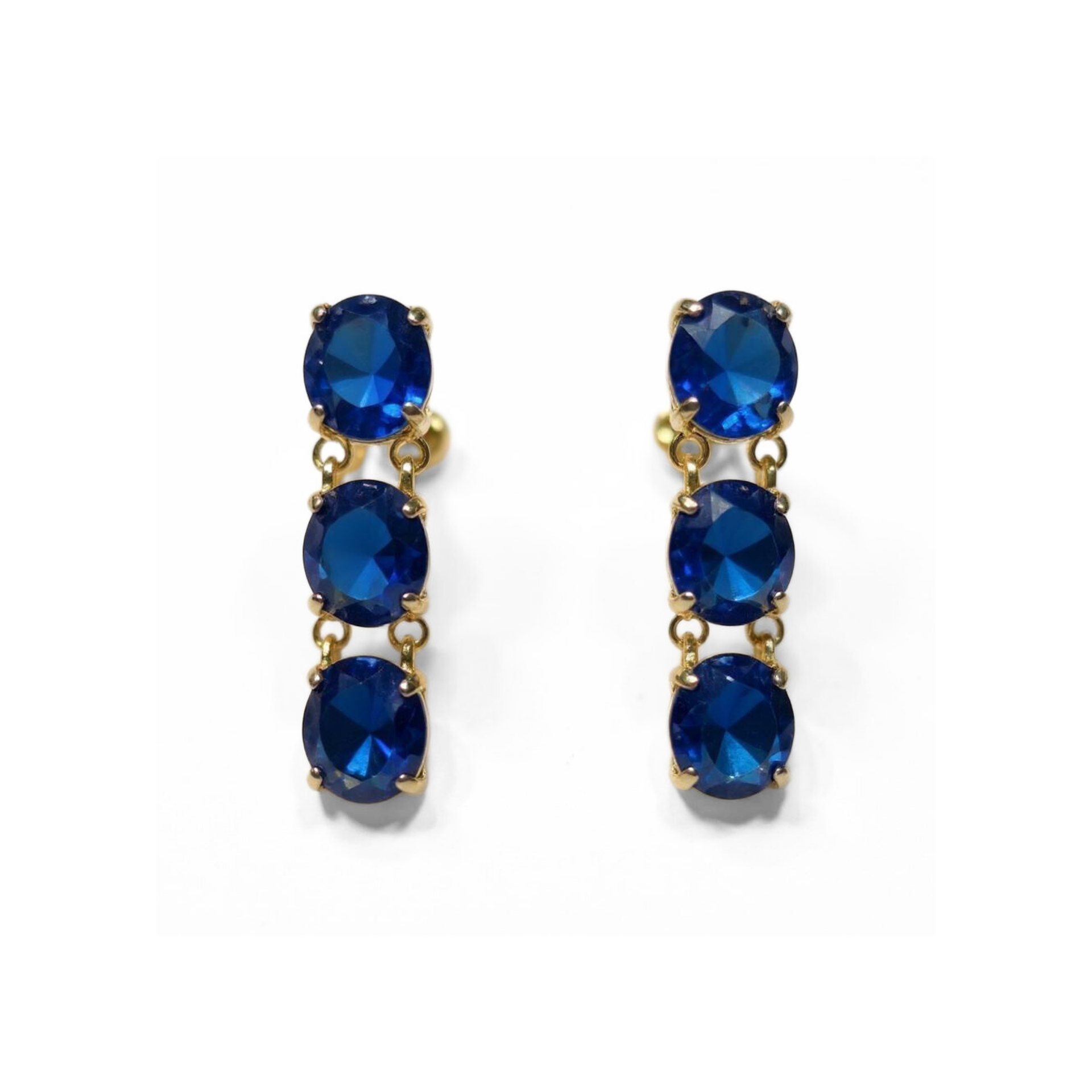
Iolite Stud Earrings in Gold offer a refined way to wear the stone close to the face. The Triple Iolite Gold Earrings introduce greater movement in a slender, elegant silhouette.

Care for Iolite Jewellery

Iolite has a hardness of approximately 7 to 7.5 on the Mohs scale, though its cleavage means it can be more vulnerable to impact than hardness alone suggests.


To care for iolite jewellery:


  • Store it separately from harder gemstones.
  • Avoid sharp impact and harsh chemicals.
  • Remove it before strenuous activity, swimming, or household cleaning.
  • Clean it gently with a soft cloth and lukewarm water.
  • Avoid ultrasonic or steam cleaning unless a qualified jeweller advises otherwise.

A Gemstone with a Story

Iolite is captivating because it does not reveal everything at once. Its colour shifts between blue, violet, silver, and pale gold, depending on the direction of light. Its most famous legend connects it to sailors searching for the sun beyond the clouds, while its optical character gives that story a credible scientific foundation.


The result is a gemstone defined by movement, perception, and discovery.


Explore the Iolite collection at Collet’s Jewelry, or browse the wider gemstone collection. To learn more about the origins and craftsmanship behind Collet’s Jewelry, visit Our Origins.


For further gemological reading, consult the Gemological Institute of America’s description of iolite and the Geosciences LibreTexts guide to iolite.

Recent Posts

November 11, 2026
February’s birthstone is amethyst, a gemstone admired for its luminous colour and remarkable range. Its tones move from the palest lavender to saturated violet, sometimes with flashes of red or blue as the light shifts. No two natural stones are exactly alike. Each carries its own depth, clarity, and character.  At Collet’s Jewelry, amethyst brings colour and Brazilian gemstone heritage into a collection of thoughtfully designed pieces. A personal birthstone or a considered gift, it offers a distinctive way to wear colour with quiet confidence.
November 10, 2026
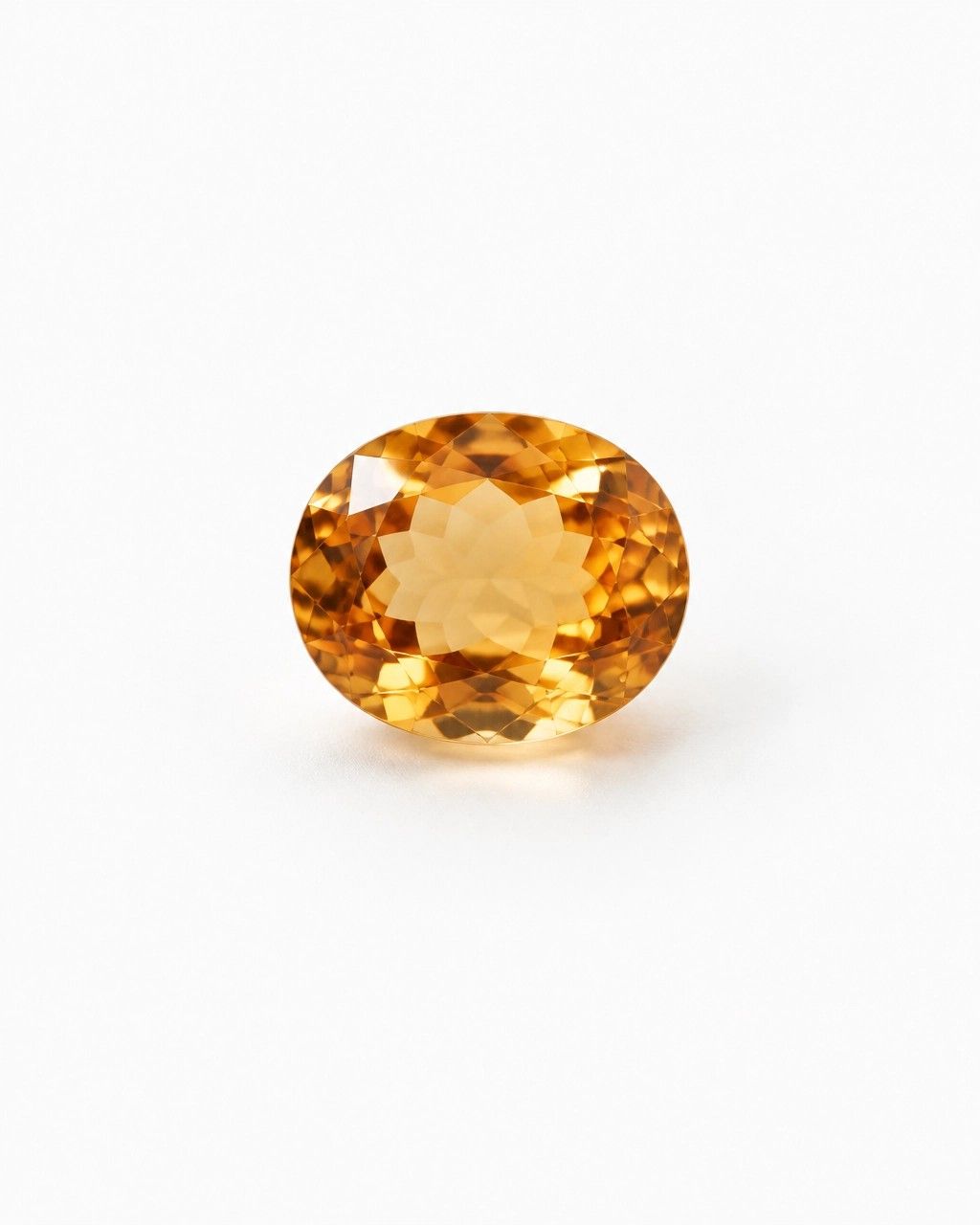
November has two birthstones with a shared affinity for golden light: topaz and citrine. Both can glow in shades of yellow and amber, yet each has its own mineral identity, character, and story. At Collet’s Jewelry, topaz holds a special place. Brazilian Imperial Topaz is admired for its warm golden, honey, and amber tones, with a history closely associated with the Ouro Preto region of Minas Gerais. Blue and yellow topaz offer different expressions, from cool and luminous to vivid and sunlit. Citrine brings another kind of warmth, with shades that range from pale yellow to rich orange.  Together, these November birthstones offer more than a seasonal palette. Their natural variations in colour, clarity, and character make each gem distinctive, and give carefully chosen jewelry a personal presence.
October 23, 2026
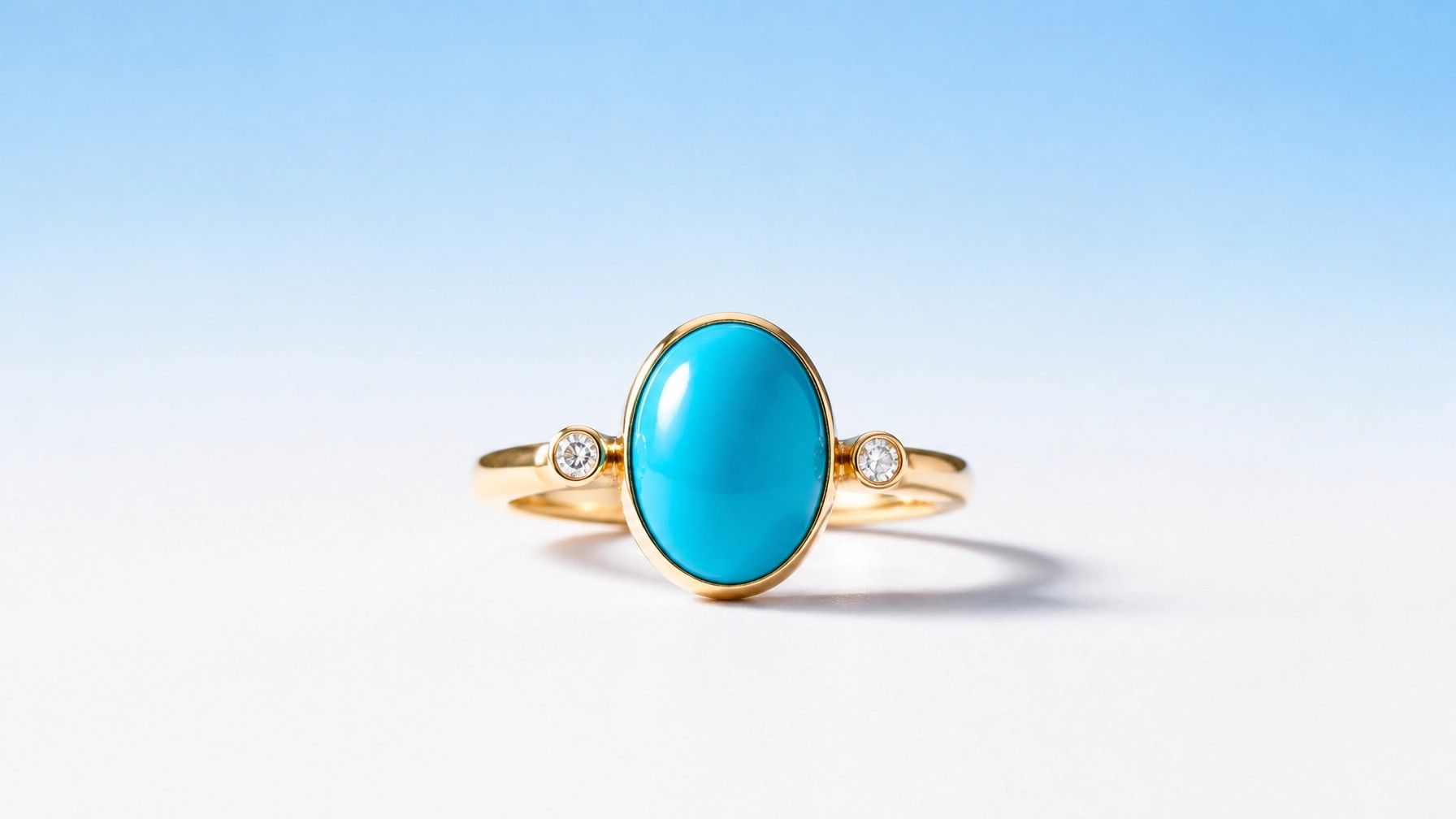
Turquoise is one of the world’s most recognisable gemstones. Its colour ranges from pale robin’s-egg blue to vivid azure and blue-green. The finest examples possess a calm, even tone that seems to hold its own light. Usually cut as a smooth cabochon, turquoise reflects light softly rather than through facets. The effect is serene, distinctive, and quietly striking.  For thousands of years, it has been associated with the sky, protection, joy, and the infinite space above the earth. Its appeal is both visual and cultural, connecting adornment with history.
September 15, 2026
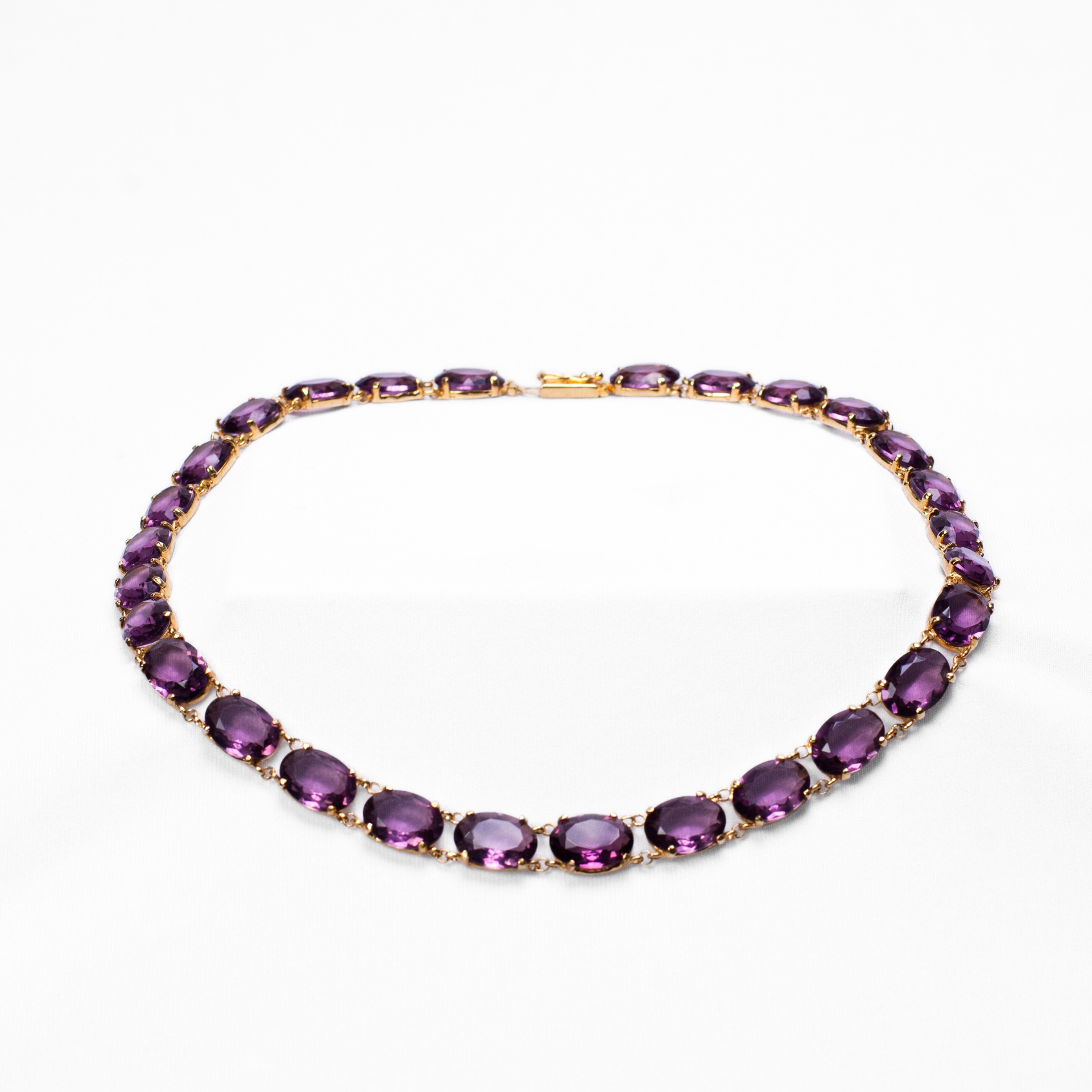
Amethyst has a presence that is both vivid and serene. Its colour ranges from pale lavender to deep violet, each shade revealing a different play of light. For centuries, it has been associated with protection, clear thought, and spiritual awareness. The stone suggests stillness without passivity, strength without display, and a quiet connection between the earthly and the divine. At Collet’s Jewelry, amethyst is chosen for its distinctive colour and expressive character. Each piece reflects the belief that jewelry should hold meaning, memory, and a story.
September 8, 2026
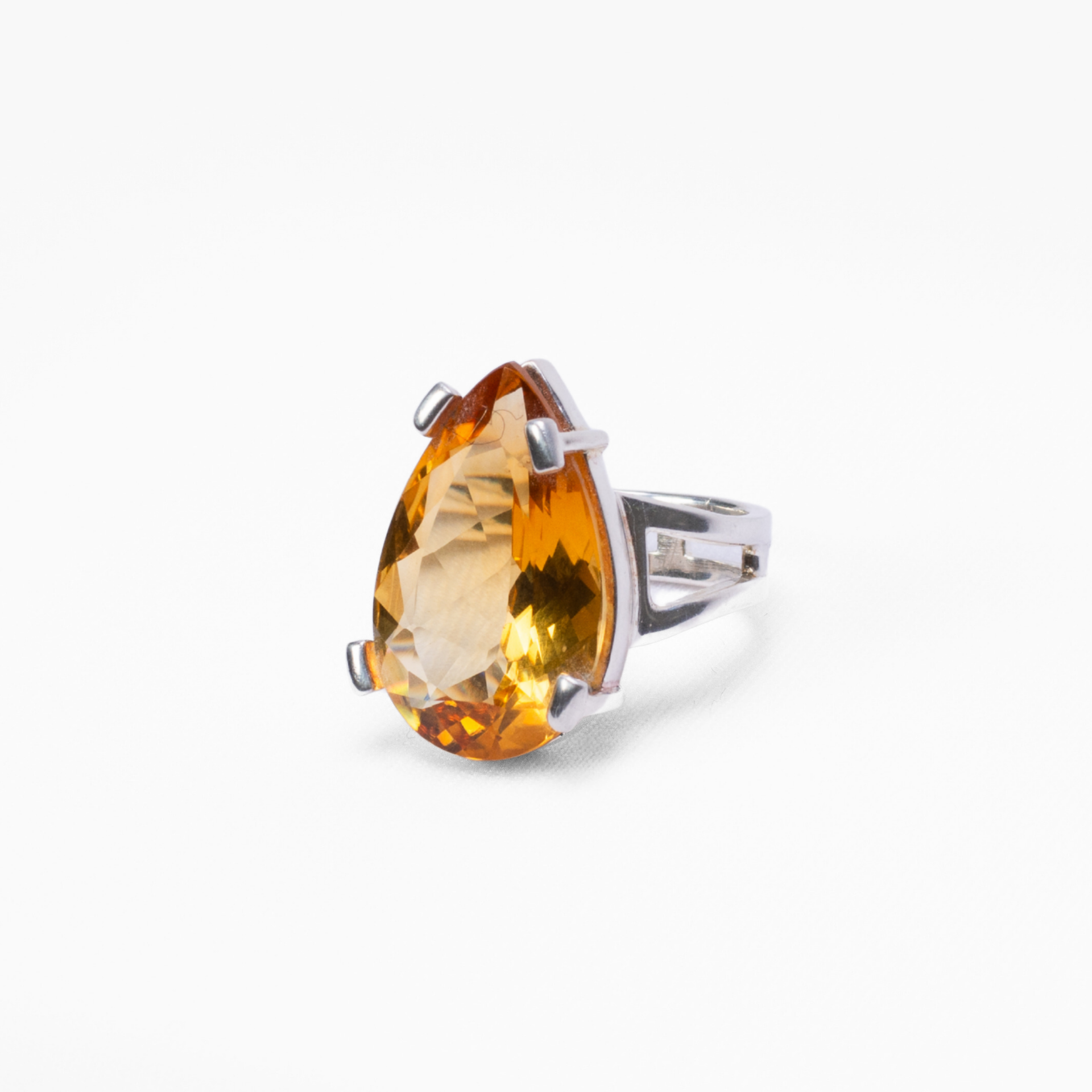
A golden gemstone from Brazil
August 28, 2026
A Gemstone of Clarity
August 21, 2026
A Gemstone from Ouro Preto